RESEARCH KHAS QUARTERLY
As part of the Theater Research Laboratory (TAL) Archive Project, which aims to preserve the memory of our theater history, various events were held.
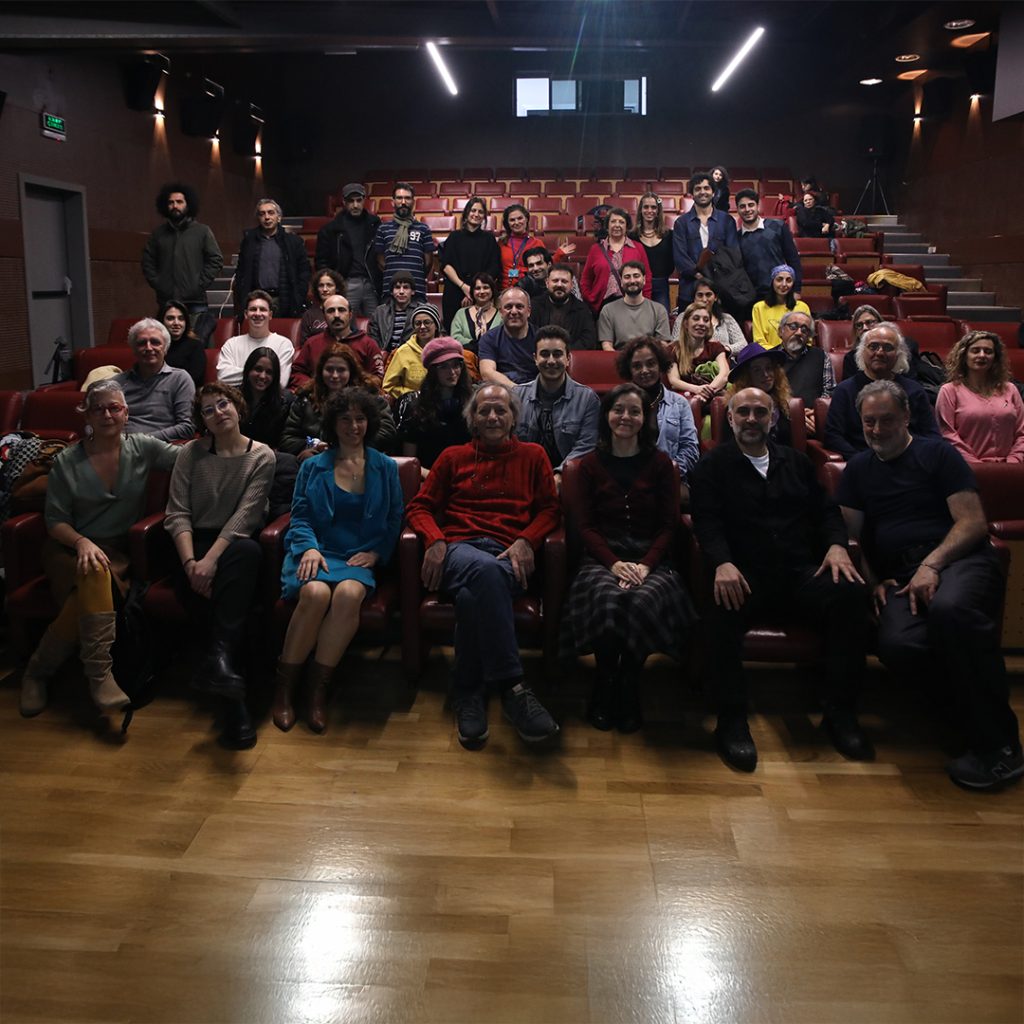
(TAL) Theater Research Laboratory Archive Project – 2nd Panel
The second panel, titled “What is (Who is) the Theater Research Laboratory (TAL)?” was held as part of the Theater Research Laboratory (TAL) Archive Project, which is conducted by the Kadir Has University Theater Department and supported by the TÜBİTAK 1001 Program.
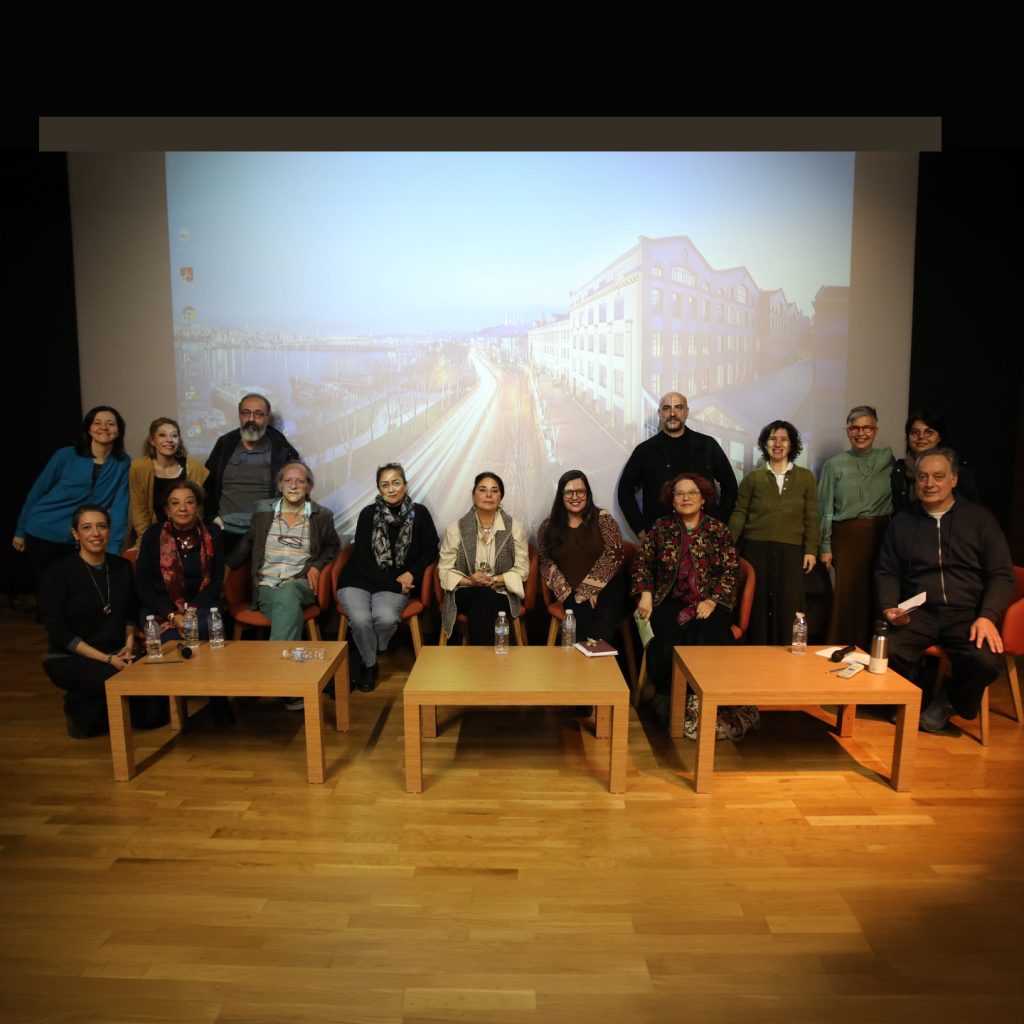
Theatre Research Laboratory (TAL) Archive Project – 3rd Panel
As part of the Theatre Research Laboratory (TAL) Archive Project, we held the third session of our panel series on February 28 at Kadir Has University’s Cibali Campus.
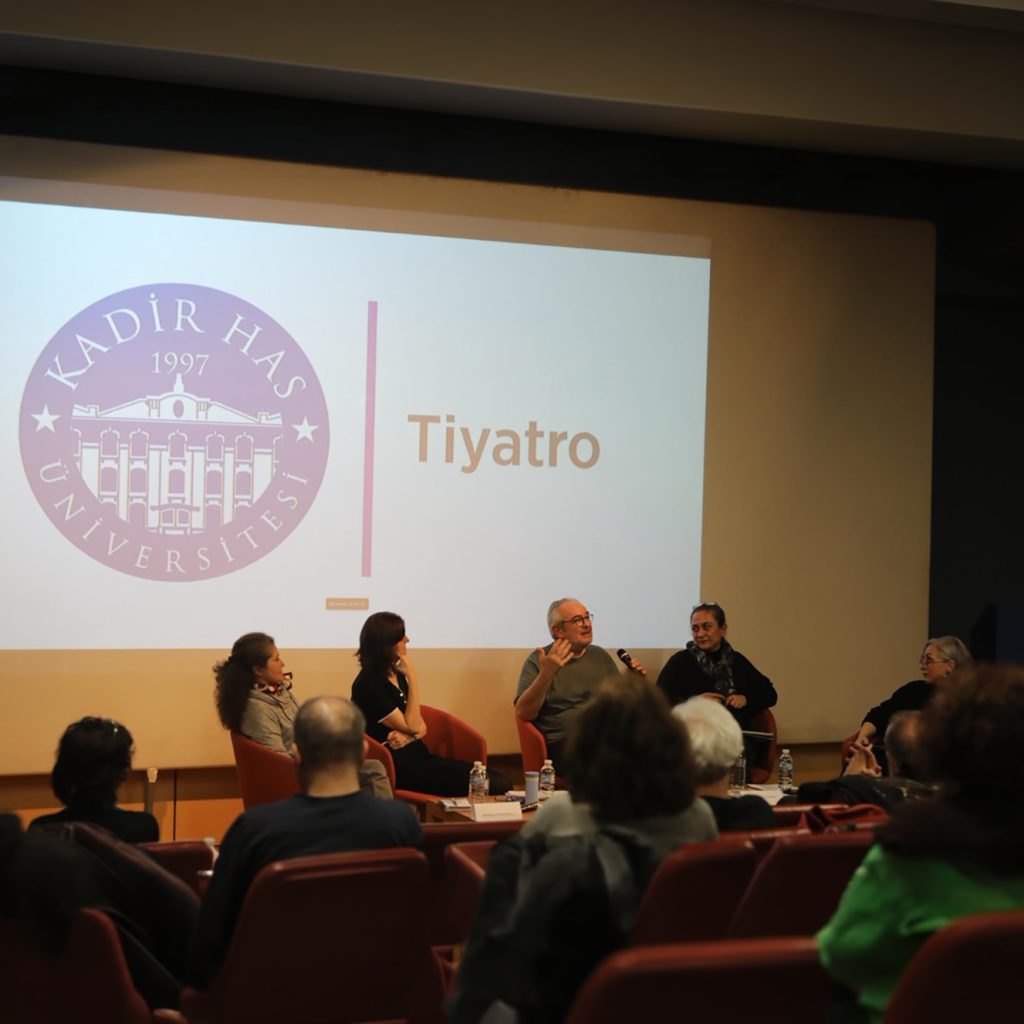
Theatre Research Laboratory (TAL) Archive Project – 4th Panel
Continuing its panel series, the Theatre Research Laboratory (TAL) Archive Project—dedicated to preserving the memory of our theatre history—held its fourth session on March 23 at Kadir Has University’s Cibali Campus.
Bringing together academics and artists, the session featured in-depth discussions on the academic and artistic value of the TAL archive.
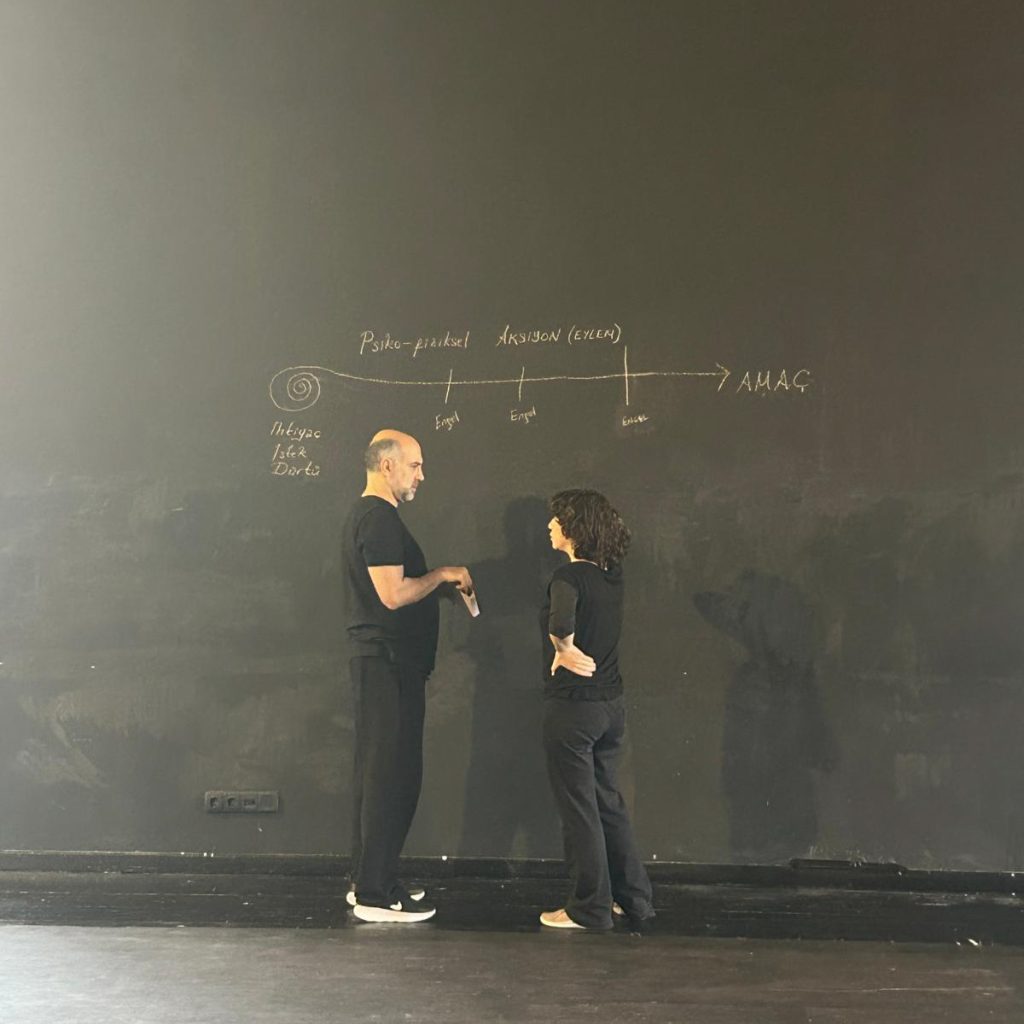
(TAL) Archive Project / Voice-Body-Space Research in Acting Workshop
The “Voice-Body-Space Research in Acting” workshop was held between January 31 and February 1 at the Kadir Has University Blackbox, as part of the Theater Research Laboratory (TAL) Archive Project. Drawing upon the research tradition established at (TAL), the workshop was led by Erol Babaoğlu, Mustafa Kaplan, Sevi Algan, and Yaşar Nezih Eyüboğlu, all of whom have previously collaborated with (TAL).
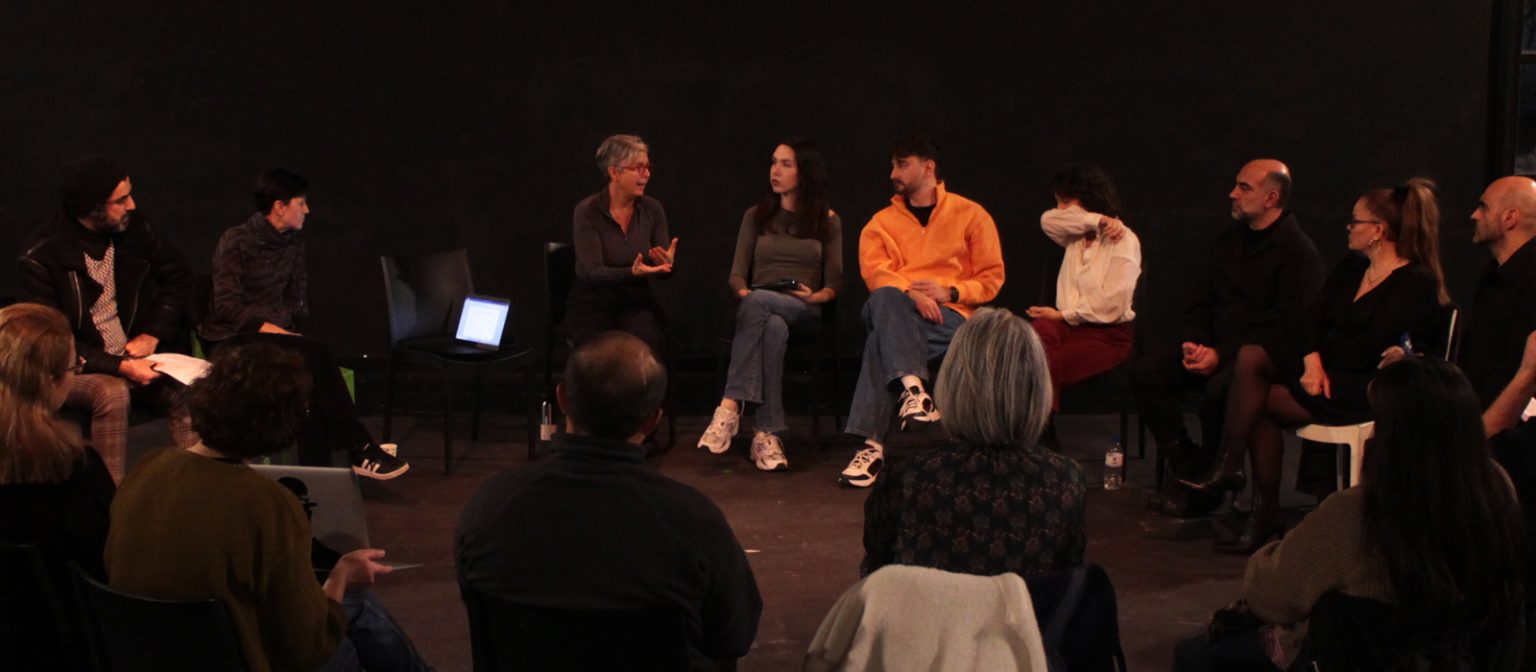
(TAL) Archive Project / Round Table Meeting
A round table meeting was held with professionals who were part of the acting, theater, and dramaturgy training processes at Istanbul Metropolitan Municipality City Theaters (İBŞT) TAL between 1988–2002, and subsequently under the institutions Ekol Drama and Çatı, having had the opportunity to work directly with Beklan Algan and Ayla Algan.
During this meeting, participants shared stories of how their paths crossed with (TAL), discussed the contributions of (TAL)’s research to their professional development, and provided suggestions for the (TAL) Archive Project. These accounts and recommendations were officially recorded as part of the project documentation.
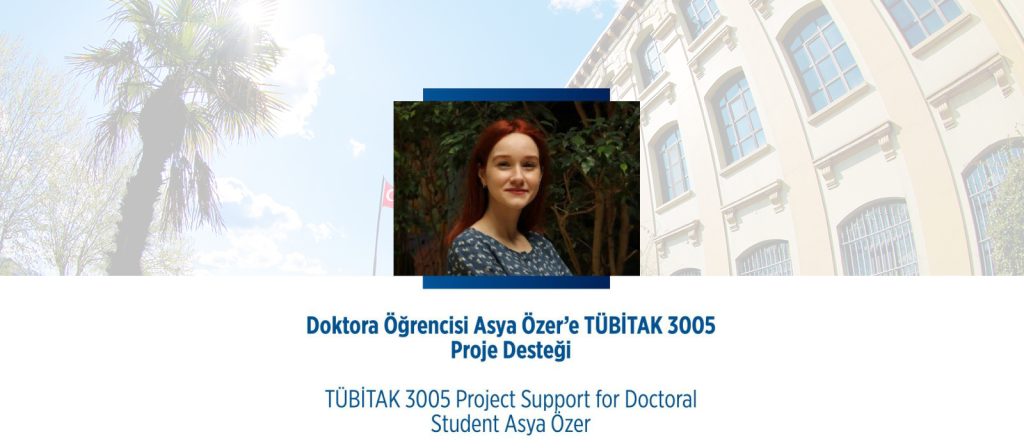
“‘Year of the Family’ Discourses in the Media and Public Perceptions of Family Policies,”
The project titled “‘Year of the Family’ Discourses in the Media and Public Perceptions of Family Policies,” led by our Communication Sciences PhD student Asya Özer, has been awarded funding under the TÜBİTAK 3005 program.
The study aims to provide an academic perspective on social policies by examining how the concept of “family” is constructed in media and political discourse.

The 2025 Research Projects Catalog Has Been Published
The Research Projects Catalog, which features national and international scientific projects led by our esteemed researchers and funded within the year 2025, is now available.
This catalog, organized for the first time this year, includes projects that were funded or commenced during 2025. Moving forward, the catalog will be published annually on a regular basis.
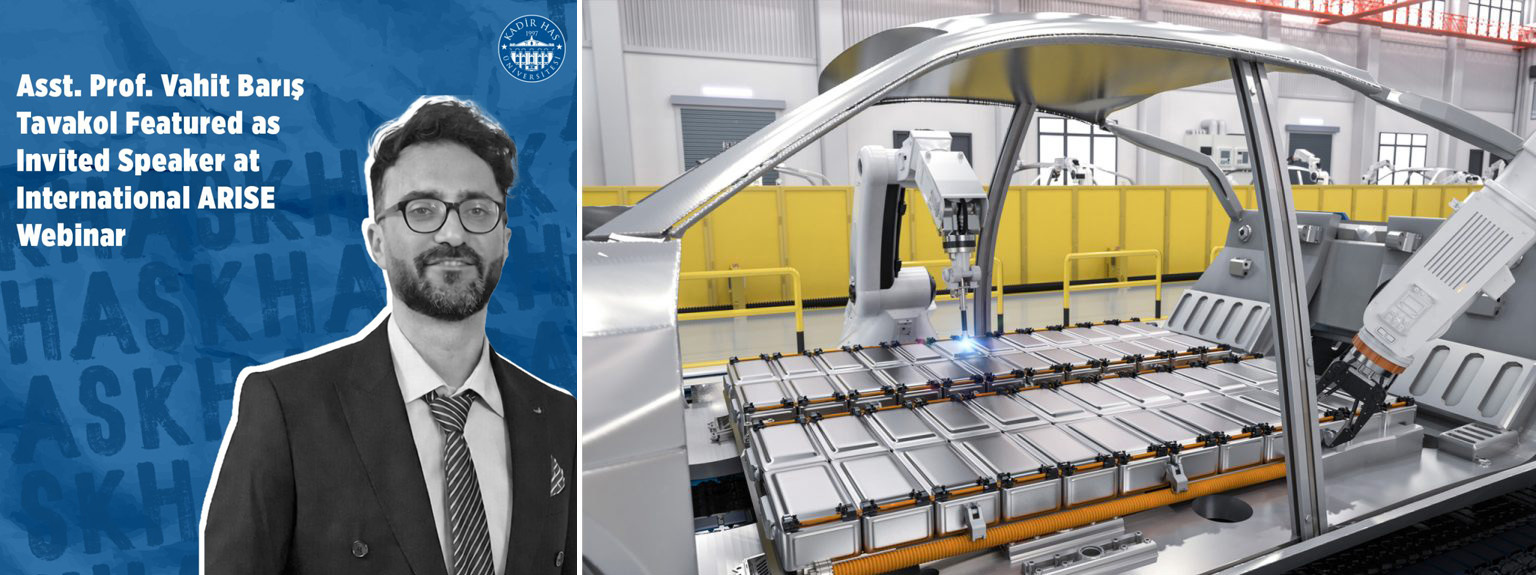
The Weakest Link of Electric Vehicles is Now Smarter: KHAS’s Battery Vision for Europe
The battery of an electric vehicle can suddenly stall, overheat, or in the worst-case scenario, catch fire. A KHAS researcher working on an Artificial Intelligence (AI) model that predicts these risks beforehand presented this vision at one of Europe’s most prestigious platforms.
Asst. Prof. Vahit Barış Tavakol, a faculty member of our Department of Mechatronics Engineering, was a featured speaker at the “Synergizing EV Technologies” webinar organized within the scope of the EU-funded ARISE Project. The event was more than just an academic meeting; it was a vision platform discussing how Europe will shape electric vehicle (EV) technology over the next decade.
The “Brain” Problem of Batteries
The most critical safety risk in EV technology is known as “thermal runaway”—the process where a battery heats up uncontrollably, leading to fire. Current battery management systems (BMS) often detect this risk only after it has begun. Dr. Tavakol’s approach aims to shift the system from being reactive to predictive.
The model, titled “Intelligent State Estimation and Risk-Aware Decision Making,” provides decision support to the management system by calculating future risk probabilities rather than just current status. In short: it provides the battery with a “brain.”
COLLABAT: A Europe-wide Knowledge Hub
The webinar also introduced the COLLABAT Cluster, one of Europe’s largest collaboration networks for battery technologies. Bringing universities and industrial organizations under one roof, this platform represents an ecosystem where Kadir Has University (KHAS) now stands not just as a participant, but as a contributing partner.
- About the ARISE Project: arise-project.eu
- KHAS Mechatronics Engineering Department: khas.edu.tr/en/mechatronics

Being Present on the Street and on Screen: An Academic Spotlight on the Silent Experience of Disabled Men
A newly funded study supported by TÜBİTAK raises a question that has not previously been explored in this depth in Türkiye: what does it mean to experience disability and masculinity at the same time?
Led by Assist. Prof. Nurseli Yeşim Sünbüloğlu of Kadir Has University’s Core Program, the project has been awarded support under the TÜBİTAK 3501 Career Development Program. The research also marks a first for academia in Türkiye, offering a comprehensive field study that examines disability and gender together.
Mapping the unseen
In academic literature, disability studies have largely focused on physical accessibility, healthcare, or economic participation, while gender studies have predominantly centered on women’s experiences. The intersection of these two fields—the identity experiences of disabled men, their strategies for navigating everyday life, and how they define themselves—remains a largely unexplored area in Türkiye.
Sünbüloğlu’s project directly addresses this gap. The research will analyze the experiences of disabled men both in physical environments and across social media platforms and online forums. One of the study’s most compelling questions is whether digital spaces serve as arenas of empowerment for these individuals, or whether they reproduce new forms of exclusion.
From academia to policy
The findings of the research aim to provide an empirical foundation for the development of social policies addressing disability. The project is advised by Assist. Prof. Perrin Öğün Emre.
Project Title: “An Analysis of Disabled Masculinities from a Gender Perspective and Their Construction and Experience in Physical and Digital Spaces”
Funding Body: TÜBİTAK 3501 Career Development Program
Who Will Prepare the Workforce for Europe’s Green Transition? The Answer Comes from Istanbul
The Code of a Rare Disease Hidden in a Tiny Fly
Dr. Farzaneh Larti of Kadir Has University has secured support from the U.S.-based Rory Belle Foundation in the fight against a rare genetic disorder that causes severe neurological symptoms in children and for which no cure has yet been found. Science’s unexpected yet powerful weapon in this challenging battle is the fruit fly.
The NARS1 mutation—a puzzle yet to be solved within the complex labyrinth of the human brain—causes serious neurological and developmental problems in children. The cellular mechanisms of this rare disease, for which there is currently no cure, remain a major gap in scientific understanding. Dr. Farzaneh Larti from Kadir Has University is building an evolutionary bridge to shed light on this dark area: the genetic similarities between humans and the fruit fly (Drosophila melanogaster).
Big Answers Hidden in a Small Flutter of Wings
At first glance, the fruit fly appears to be a simple organism, yet it actually shares surprising similarities with humans in fundamental processes such as brain development and protein synthesis. Dr. Larti’s project examines the effects of mutations in the NARS1 gene on neurons using this model organism. This study demonstrates that aminoacyl-tRNA synthetases—once thought to be merely simple components of the cell—actually play vital and unexpected roles in brain function.
A New Door of Hope for Rare Diseases
This project, which has been awarded funding by the U.S.-based Rory Belle Foundation, is not merely a laboratory study; it is also a giant step toward classifying and understanding a group of rare neurodevelopmental disorders. By blending molecular genetics with model organism biology, the study also highlights Kadir Has University’s commitment to understanding the fundamentals of human health.
The answers science seeks in the genetic map of a tiny fly could become the most powerful key to unlocking treatments for currently incurable diseases in the future.
New Neural Mechanisms for the Treatment of Metabolic Diseases
The project titled “Investigation of Inhibitory Neural Networks and Adaptive Mechanisms Underlying Diet-Induced Obesity in the Ventromedial Hypothalamus” led by Asst. Prof. Yasemin Önder, a faculty member of our Department of Molecular Biology and Genetics, has been selected for support under the TÜBİTAK 3501 – Career Development Program.
The project aims to elucidate new neural mechanisms for the treatment of metabolic diseases by examining the control of specific neural pathways in the mouse brain over obesity and energy balance. This study will serve as a fundamental stepping stone for potential clinical approaches against obesity, one of the greatest challenges of the modern era.
An Innovative Optimization Method for Managing Modern Energy Systems
Dr. Zeynep Bektaş, an assistant professor aiming to manage the uncertainties arising from production and consumption in modern energy grids, has been awarded a TÜBİTAK 3501 grant for the innovative optimization method she developed.
Challenges in Managing Modern Energy Systems
With the increasing use of renewable energy sources and the widespread adoption of electric vehicles, managing modern power grids is becoming increasingly difficult on both the generation and consumption sides. Dr. Zeynep Bektaş, an assistant professor in the Department of Industrial Engineering at Kadir Has University, has been awarded funding under the TÜBİTAK 3501 Career Development Program for her new project aimed at addressing this complexity.
An Innovative Optimization Approach for Managing Uncertainty
As the share of variable renewable energy, such as wind and solar, increases on the generation side, uncertainties and imbalances on the consumption side place significant pressure on power grids. In her project focused on the “Optimal Power Flow” problem, Dr. Bektaş develops a new optimization method to effectively manage these uncertainties.
Safer and More Efficient Grids
Aiming to accelerate decision-making processes, particularly in large-scale systems, this study will contribute to the safer and more cost-efficient operation of power grids. The optimization method developed under uncertainty will enable operational decisions in power grids to be made in an effective and reliable manner.
In the second round of the TÜBİTAK ARDEB 1001 program for 2025,
5 of the 11 research projects submitted by our university have been awarded funding.
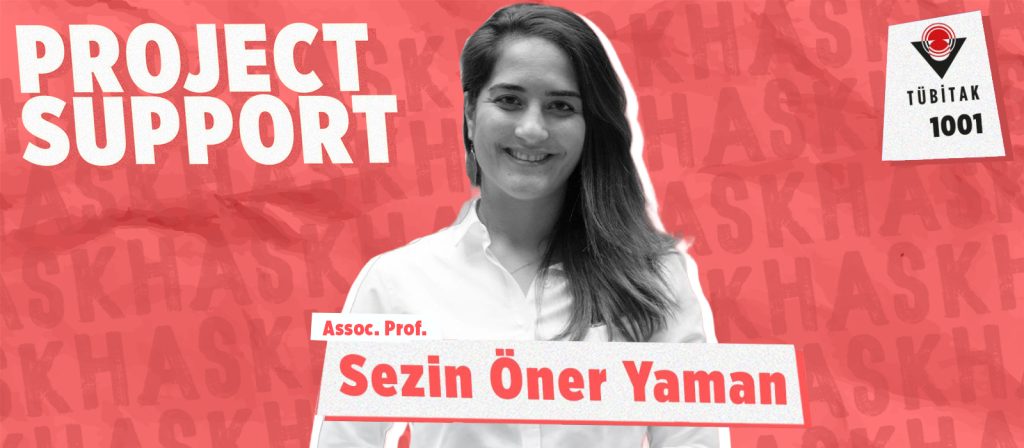
The Dynamics of Social Memory: How Do We Remember Significant Social Events?
The project titled “Collective Memory Dynamics: An Intra-societal and Inter-societal Investigation of Narrative Features and Event Phenomenology” led by Assoc. Prof. Sezin Öner Yaman, a faculty member of our Department of Psychology, has been selected for support under the TÜBİTAK 1001 – Scientific and Technological Research Projects Support Program.
The project aims to investigate how individuals remember significant societal events and how these memories shape social identity. Based on the Multidimensional Mental Representations Model (MMMR), the study will examine the narrative, episodic, and semantic components of memories regarding societal events in Turkey.
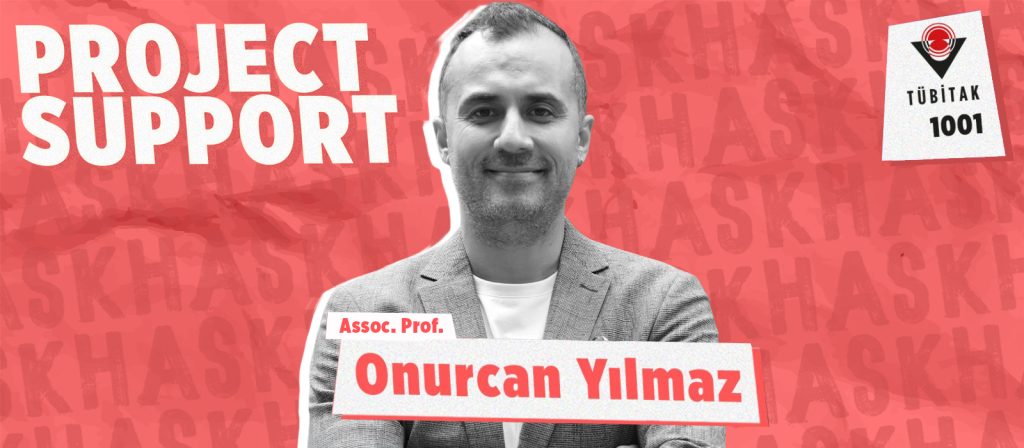
The Role of Intuitive and Analytical Processes in Collaboration within Self-Protection Contexts
The project titled “The Role of Intuitive and Analytical Processes on Cooperation in Self-Protection Contexts: A Cross-Cultural and Experimental Test of the Generalized Social Heuristics Model” led by Assoc. Prof. Onurcan Yılmaz, a faculty member of our Department of Psychology, has been selected for support under the TÜBİTAK 1001 – Scientific and Technological Research Projects Support Program.
The project aims to examine the Generalized Social Heuristics Model (GSHM)—which explains why individuals prefer cooperation during rapid decision-making—through cross-cultural methods. The study will investigate the role of intuitive cooperation under conditions where self-protection and social identity motives are active.
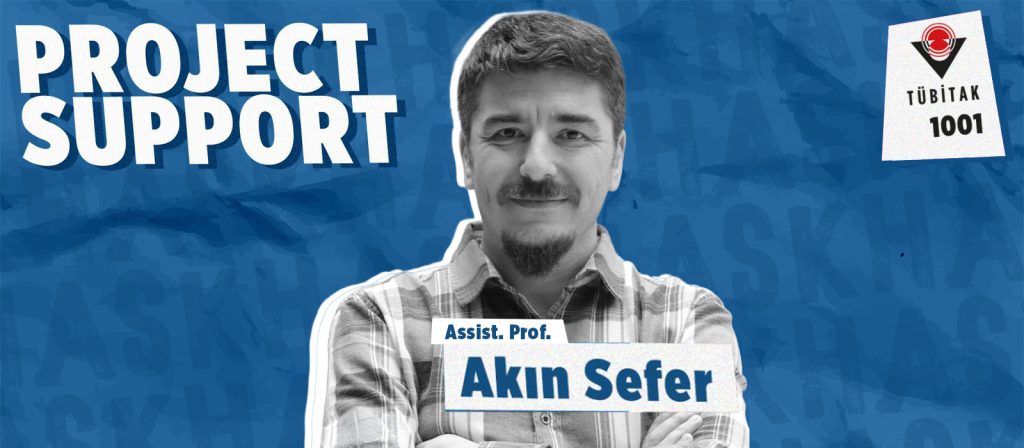
The First Industrialization Initiatives in Ottoman Istanbul: The Tophane Basin
The project titled “Military Industry, Labor, and Social Transformation in Ottoman Istanbul: The Tophane Basin, 1789-1856” led by Asst. Prof. Akın Sefer, a faculty member of our Core Program, has been selected for support under the TÜBİTAK 1001 – Scientific and Technological Research Projects Support Program.
In the context of the early Industrial Revolution and the period between 1789 and 1856—during which the Empire’s initial industrialization moves were made—the project will investigate the transformations within military industrial facilities in Istanbul. The study aims to analyze the impact of these transformations on production relations, worker profiles, urban demographics, and the daily life of Istanbul.
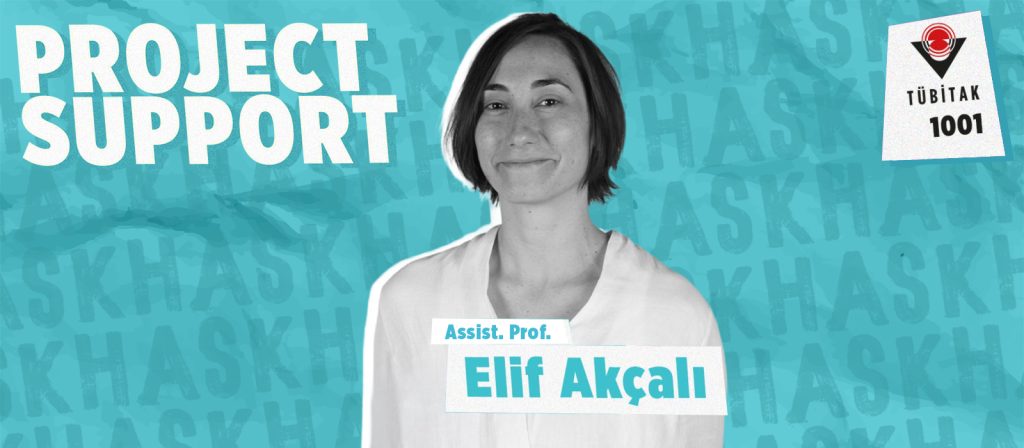
Rewriting the History of Cinema with Alternative Films
The project titled “Outside of Turkish Cinema: Writing a New Cinema History through Alternative Films” led by Asst. Prof. Elif Akçalı, a faculty member of our Department of Radio, Television and Cinema, has been selected for support under the TÜBİTAK 1001 – Scientific and Technological Research Projects Support Program.
The project will investigate alternative cinematic works in Turkey that have not yet been the subject of any comprehensive study. By focusing on alternative audiovisual productions that have lacked visibility in Turkish cinema historiography and faced restricted channels for audience engagement, the study aims to propose a critical new framework for the history of Turkish cinema.
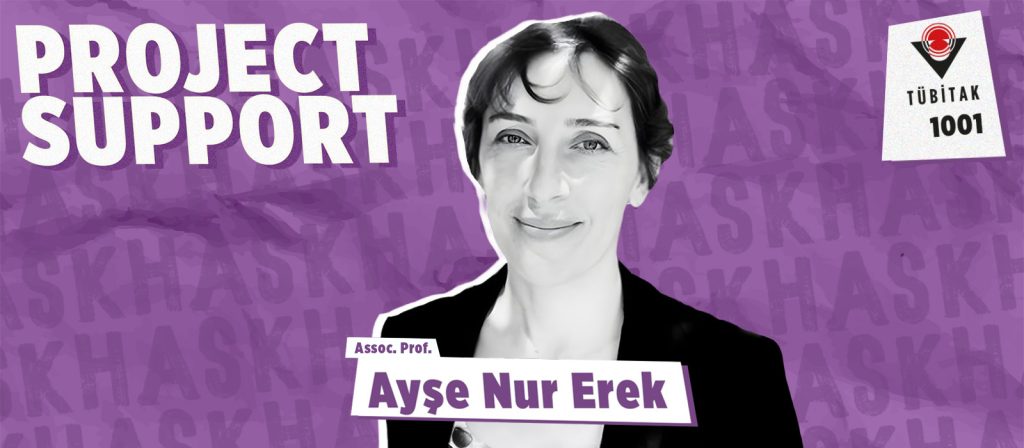
What Does Art Tell Us About Urban Cultural Heritage?
The project titled “A Qualitative Analysis of Contemporary Art’s Potential in Enhancing Public and Spatial Access to Urban Cultural Heritage Sites” led by Assoc. Prof. Ayşe Nur Erek, a faculty member of our Department of Industrial Design, has been selected for support under the TÜBİTAK 1001 – Scientific and Technological Research Projects Support Program.
The project aims to examine the potential of art to enhance public and spatial interaction with urban architectural heritage sites by leveraging its capacity for meaning-making, storytelling, and the creation of new narratives.
Eğitim - Faaliyet
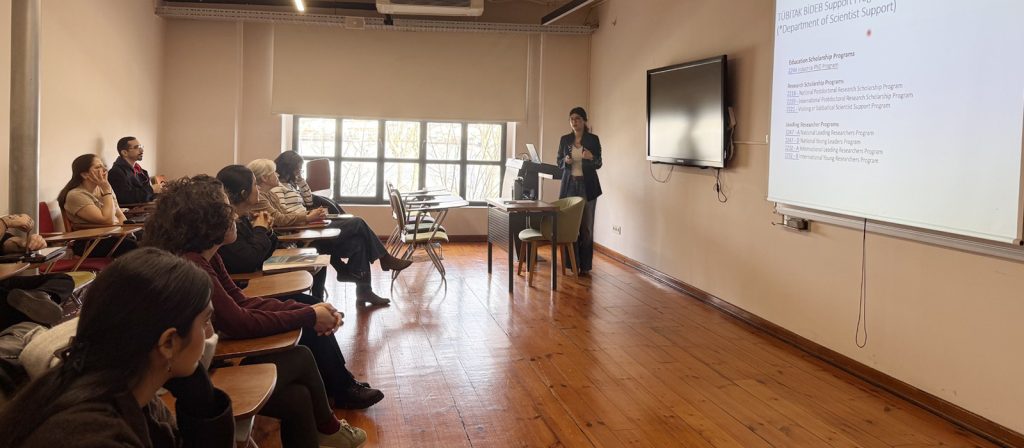
Project Development Office Seminar
As the Project Development Office, we conducted an informational session for doctoral students as part of our seminar course on March 6. During the seminar, we shared information about funding opportunities available to them, while also discussing key points and best practices regarding the process of preparing a research proposal.
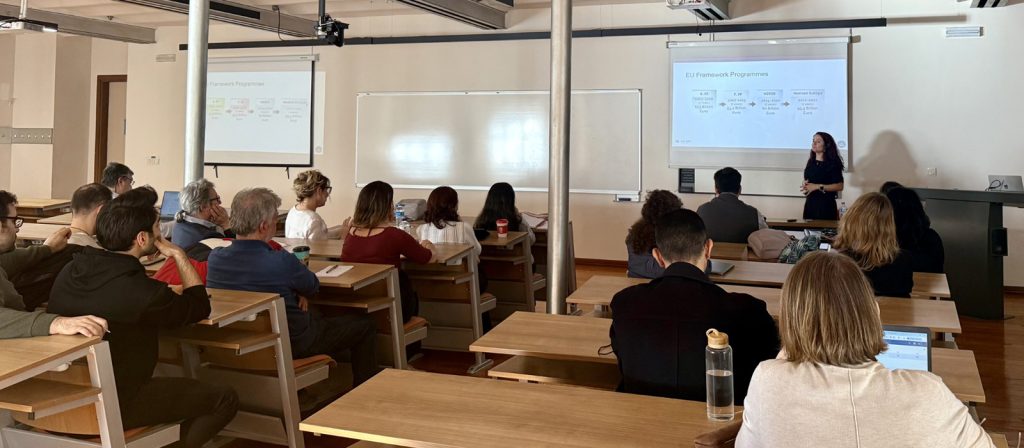
European Union Research and Innovation Funding
Info Day Held
An informational training session on European Union funding opportunities was held on February 16 for our academics and PhD students, delivered by Dilem Hızlan, Founder of Galata Innovation.
Doctoral Thesis Defenses
We are pleased to share information regarding the thesis topics, defense dates, and the thesis advisors who guided the process with great dedication for our students who successfully completed their doctoral thesis defenses in various programs at our Graduate School during January and February (January–March period) and have earned the right to graduate.
Mehmet Efe Tuzcu – International Relations
A Neoclassical-Realist Assessment of the Impact of Natural Gas Discoveries in the Eastern Mediterranean on Turkish Foreign Policy
Advisor: Prof. Serhat Güvenç | Defense: January 12, 2026
Esin Selin Karaöz — Communication Sciences
Multiplayer Online Gamers’ In-Game Social Interactions and Intercultural Communication Competence
Advisor: Prof. Dr. Asker Kartarı | Defense: February 2, 2026
Baver Vedat Bilen – Economics
Three Articles on Financialization and Capital Flows
Advisor: Prof. Dr. Özgür Orhangazi | Defense: February 18, 2026
Duygu Dalyanoğlu – Women’s Studies
The Experience of Armenian Actresses During the Establishment of European-Style Theater in the Ottoman Empire
Advisor: Assoc. Prof. Dr. Zeynep Sirel Günsür Yüceil | Defense: February 18, 2026
Eren Kavazlar – Business Administration
Impact of Applying a Recovery Promotion on Customer Lifetime Value for Dissatisfied Customers in E-Commerce
Advisor: Prof. Dr. Nimet Uray | Defense: February 19, 2026
İsmail Aydemir – Business Administration
The Impact of Demarketing Strategies on Subscription Retention Behavior on OTT Platforms in Turkey
Advisor: Prof. Dr. Nimet Uray | Defense: February 19, 2026
Yağmur Yıldırım – Women’s Studies
Urban Fantasies of Mid-Century Istanbul: Literature, Space, and the Psychosocial Production of the City (1945–1960)
Advisor: Assoc. Prof. Dr. Didem Kılıçkıran | Defense: February 20, 2026
Güneş Erbil Can Artun – Computational Sciences and Engineering
Scale and Complexity: Renormalization-Group Theory of Phase Transitions, Spin-Glass Chaos, and Emergent Order in Classical Spin Systems
Advisor: Prof. Dr. Ahmet Nihat Berker | February 24, 2026
Mehmet Murat Albayrakoğlu – Management Information Systems
The Impact of Theories of Ethics on Codes of Conduct: A Semantic Similarity Approach Using Natural Language Processing
Advisor: Prof. Dr. Mehmet Nafiz Aydın | Defense: February 26, 2026
İrem Aytan – Industrial Engineering
Forecast-Driven Optimization of Internal Warehouse Replenishment
Advisor: Prof. Dr. Ahmet Deniz Yücekaya | Defense: February 27, 2026
Şenda Yıldırım – Industrial Engineering
AI-Based Forecasting and Optimization Framework for Automotive After-Sales Systems
Advisor: Prof. Dr. Ahmet Deniz Yücekaya | Defense: February 27, 2026
Funds Open for Applications
You can find the deadlines and details for recently announced funding opportunities available for scientific research projects below.
- TÜBİTAK – Italy Bilateral Cooperation Call | June 5, 2025
- TÜBİTAK – France Bilateral Cooperation Call | June 17, 2026
- TÜBİTAK – Malta Bilateral Cooperation Call | June 5, 2026 (application deadline)
- M-ERA.NET 2026 Call | May 15, 2026 (deadline)
- 2247-C Trainee Researcher Fellowship Program (STAR) – 2026 Project Coordinator Call | March 30 – April 13, 2026
- Eureka Network Biotechnology 2026 Call | September 25, 2026
- ISTKA 2026 Call | May 15, 2026
- HORIZON EUROPE MSCA 2026 Calls | MSCA DN November 24, 2026; MSCA PF September 9, 2026
Upcoming Information Sessions
You can find the dates and details of recent or upcoming information sessions below.
- From Clean Energy Innovation to Social Transformation: CETPartnership Impact Dialogue, April 14, 2026
- MSCA 2026 Calls Conference, April 16, 2026
- Horizon Europe Legal and Financial Issues Information Days, April 16–17, 2026
- “EU Energy Policy and Horizon Europe: A Look to the Future” Webinar, May 13, 2026
- AI-Driven Research Management Webinar, June 11–12, 2026